

Sean Sales a commencé la lecture de The Naked Sun par Isaac Asimov
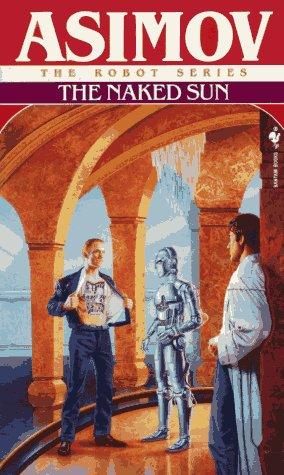
The Naked Sun de Isaac Asimov
On the remote planet Solaria the first murder for two hundred years has been committed. The Solarians are Spacers with …

Amateur storm chaser, cosmic humanist, armchair scientist and cat enthusiast.
sean_sales@snaps.isambard.social
Ce lien ouvre une nouvelle fenêtre
33% terminé ! Sean Sales a lu 4 sur 12 livres.
On the remote planet Solaria the first murder for two hundred years has been committed. The Solarians are Spacers with …
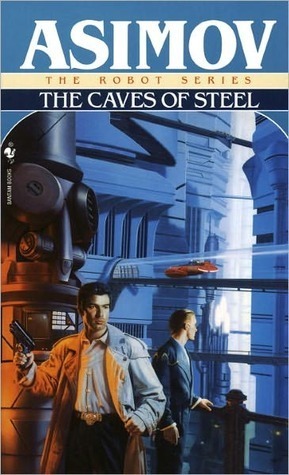
A millennium into the future two advancements have altered the course of human history: the …
I don't often read fiction but this was such a fun read I've moved straight on to the sequel!
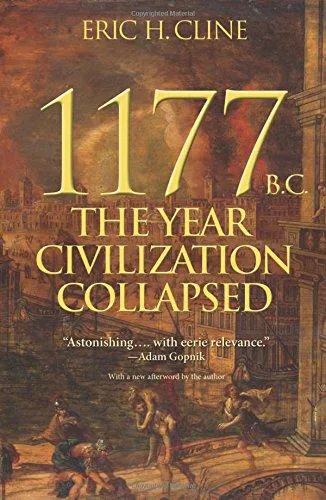
1177 B.C.: The Year Civilization Collapsed is a 2014 non-fiction book about the Late Bronze Age collapse by American archaeologist …
1177 B.C.: The Year Civilization Collapsed is a 2014 non-fiction book about the Late Bronze …
Not the easiest read, the book is dense with facts and people that each warrant their own deep dive. Overall though Cline paints a compelling case for the decline of Bronze age civilization through a series of calamities resulting in system collapse. The calamities that were likely a factor 4000 years ago are largely visible today which is a sobering thought.
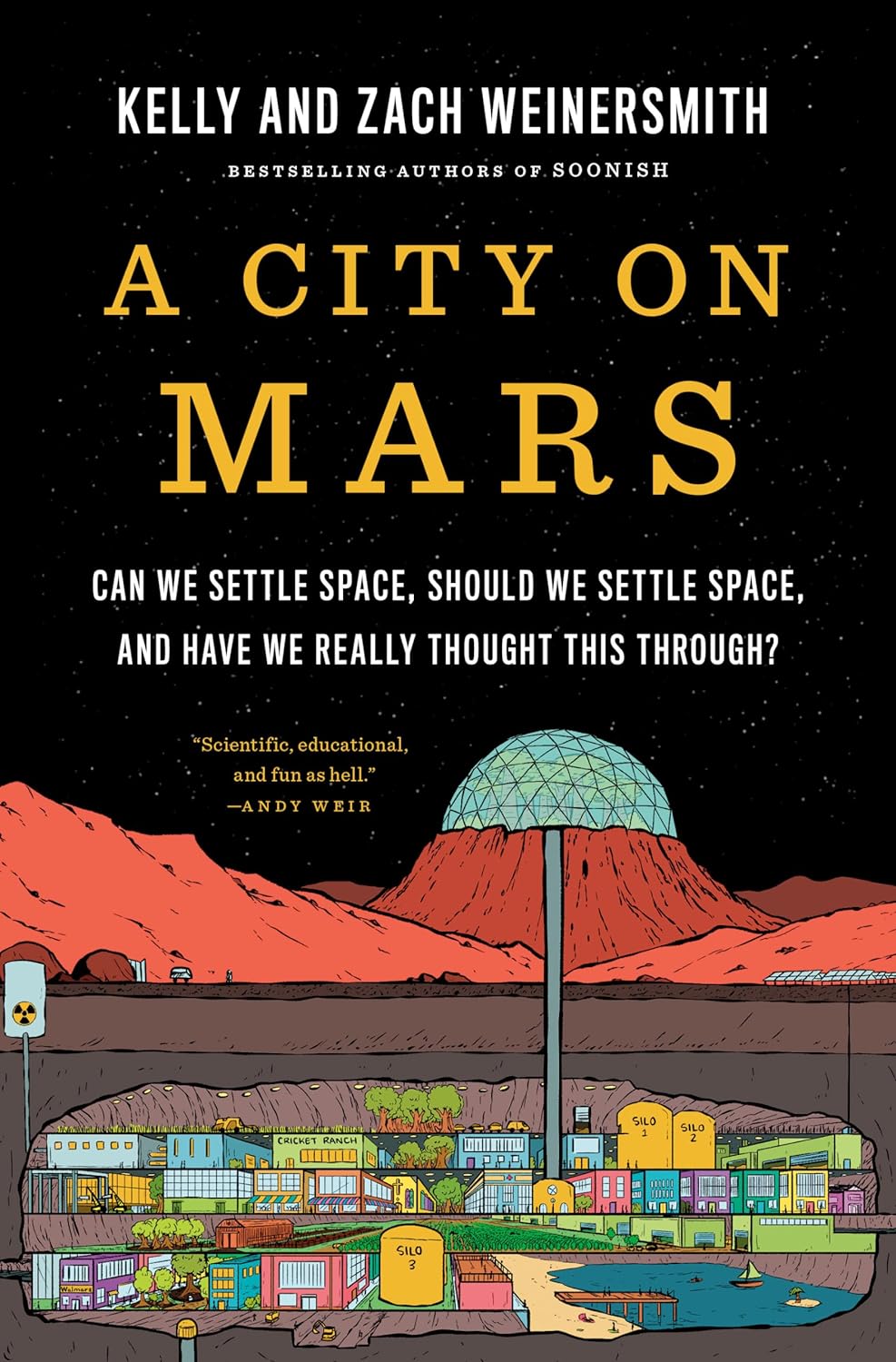
Earth is not well. The promise of starting life anew somewhere far, far away—no climate change, no war, no Twitter—beckons, …
I genuinely enjoyed the book, its well written and hits upon something most of us feel in 2026, that something is not right with the world and in the West at least we are missing a shared sense of meaning beyond money.
While I found myself agreeing with the problem Paul identified, I disagreed with most of the conclusions, and the chapter that hand waves away the existence of Trans people really lost me. It felt unnecessary, and could have been omitted altogether without impacting the books central argument in any way.
What the book does well is its articulation of the value and need for Western society to find a sense of culture, shared purpose and meaning that goes beyond the accumulation of wealth in service of "the Machine". What that could and should be is not convincingly answered by the book, but I am convinced that …
I genuinely enjoyed the book, its well written and hits upon something most of us feel in 2026, that something is not right with the world and in the West at least we are missing a shared sense of meaning beyond money.
While I found myself agreeing with the problem Paul identified, I disagreed with most of the conclusions, and the chapter that hand waves away the existence of Trans people really lost me. It felt unnecessary, and could have been omitted altogether without impacting the books central argument in any way.
What the book does well is its articulation of the value and need for Western society to find a sense of culture, shared purpose and meaning that goes beyond the accumulation of wealth in service of "the Machine". What that could and should be is not convincingly answered by the book, but I am convinced that its a question worth contemplating.
Shadows of Forgotten Ancestors: A Search for Who We Are is a 1993 book by Carl Sagan and Ann Druyan. …
Shadows of Forgotten Ancestors: A Search for Who We Are is a 1993 book by Carl Sagan and Ann Druyan. …
A millennium into the future two advancements have altered the course of human history: the colonization of the galaxy and …
1177 B.C.: The Year Civilization Collapsed is a 2014 non-fiction book about the Late Bronze Age collapse by American archaeologist …
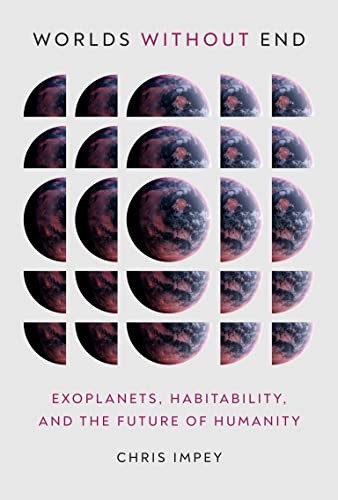
Worlds without end is an inspiring look at the vast array of potentially habitable worlds out in the cosmos. The book provides a detailed account of how we identify exo planets, how we might detect life and techno signatures, and the potential implications of those discoveries. What was a pleasant surprise in the later chapters of the book is an optimistic overview of the current state of space exploration and where we might be heading as a space faring species.
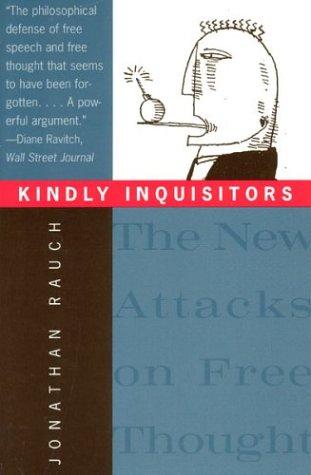
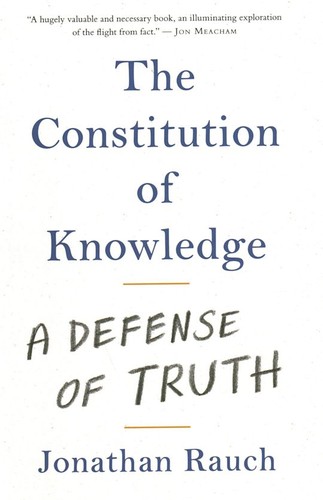
You could be mistaken for thinking this book was written today and not in 1993. It explores attacks on the values of liberal science and its status as the best means to uncover truth we have. It considers challenges from all sides of the political spectrum and makes a compelling case that makes for uncomfortable reading at times. Enlightening throughout and just as relevant 30 years after it was published.
You could be mistaken for thinking this book was written today and not in 1993. It explores attacks on the values of liberal science and its status as the best means to uncover truth we have. It considers challenges from all sides of the political spectrum and makes a compelling case that makes for uncomfortable reading at times. Enlightening throughout and just as relevant 30 years after it was published.